Gas Line Repair in Westinghouse, Georgetown, TX
Gas line repair in Westinghouse, Georgetown, TX keeps this established neighborhood's aging infrastructure serving the families who love it. Westinghouse is settled Georgetown — 1970s to 1990s homes on mature, tree-lined streets, where the gas lines are as old as the houses and the most common project is stewardship: keeping original systems safe, upgrading meters for modern appliances, and renewing what's earned retirement. We work here as caretakers of infrastructure with history.
About This Area
Why Westinghouse Gas Work Is Stewardship
Why we serve here
Westinghouse's homes have character — and infrastructure to match. The 1970s–1990s houses here were built when gas was standard and expectations were simpler: a furnace, a water heater, a range, all fed by steel pipe sized for exactly that. Forty years later, the houses have new kitchens, new owners, and new ambitions — and the gas lines are doing their best to keep up.
Established-home gas service for Westinghouse
Westinghouse is one of Georgetown's settled, family-oriented neighborhoods — homes from the 1970s through the 1990s on established streets where the oaks are tall and the lots are comfortable. This isn't a neighborhood in transition; it's a neighborhood in its prime, and its gas systems need the kind of care that keeps prime lasting.
The pattern we see most in Westinghouse is time, not trauma. Decades of Central Texas heat cycling, clay soil working the buried sections, and simple age thinning the steel — the failures here are the honest failures of systems that served well. Our job is usually renewal, not rescue.
Appliance replacement is the other half of Westinghouse gas work. As families update kitchens and mechanical systems, the new equipment — higher-efficiency, higher-demand, or just different — meets the original gas infrastructure. Sometimes they get along; sometimes the meter assembly or the branch sizing needs to grow up too.
Because Westinghouse sits close to the rest of Georgetown, scheduling service here is straightforward — and our familiarity with the neighborhood's housing stock means we often know what we'll find before we arrive. The 1980s split-level with the original meter, the 1990s two-story with the first remodel — we've seen their cousins.
Services available
Gas Services in Westinghouse
Westinghouse's homes need the full range of gas work — not just emergency repairs. Whether it's a renewal, an upgrade, or a diagnosis, every service below is work we do on these streets regularly.
Gas Line Repair
Repair in Westinghouse starts with finding the failure point — a corroded section of yard line, a weary joint, a valve that's done its duty. We locate with instruments, repair with materials matched to the existing system, and pressure-test before the gas returns. The goal is always to extend the system's good years.
Gas Line Installation
Installation in Westinghouse usually means adding capacity to an established home — a new branch for the remodeled kitchen, a dedicated run for the outdoor living space, a resized line for the upgraded mechanicals. Every run is engineered from load math and installed to current code.
Gas Leak Detection
Detection in Westinghouse begins with what homeowners notice — a rotten-egg odor near the meter, a bill that crept up, a pilot that won't stay lit — and proceeds with instruments: electronic sweep, pressure diagnostics, and a written report. In an established neighborhood, the culprit is usually age, and the instruments find it.
How We Work in Westinghouse
Renewal and Upgrades for Established Systems
Challenge: Original 1970s–1990s gas lines reaching end of service life
Many Westinghouse homes still run on the gas lines installed when they were built — steel pipe with 30 to 50 years of soil contact, thermal cycling, and honest service. The question at every visit: repair the section or renew the system? We answer with measurements, not assumptions.
Challenge: Meter upgrades and appliance changes in aging homes
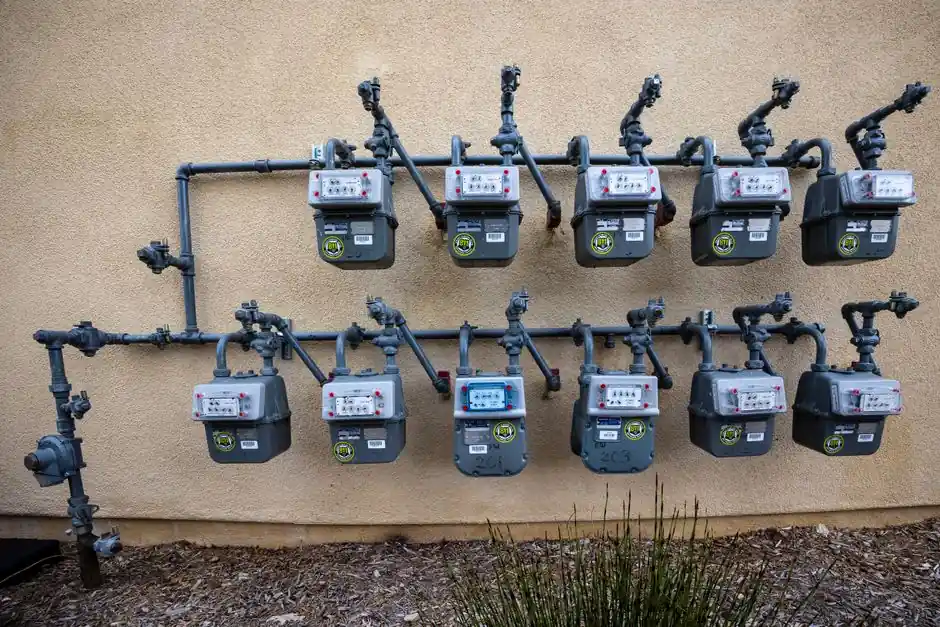
A 1980s meter assembly was sized for a 1980s appliance lineup. When Westinghouse families upgrade to pro-style ranges, tankless water heaters, or add outdoor gas, the original meter and service line become the bottleneck — everything works until everything runs at once.
Where We Work
Case files
1980s Home, Original Yard Line Replacement
A homeowner in Westinghouse noticed a faint gas odor near the meter on calm evenings. The home's original buried yard line — 1980s steel — was the prime suspect, and forty years of clay soil contact had done its work.
We pressure-tested the system and confirmed it was losing pressure, then used electronic detection to pinpoint the failing section. The deteriorated run was replaced with modern materials at proper depth, and the whole system was tested.
The system held pressure, the odor was gone, and the home's original line was renewed with modern materials and documentation. Forty more years, starting now.
Meter Upgrade for a Kitchen Remodel
A family remodeling their kitchen wanted to switch to a gas range, but the home's original meter assembly and branch sizing were built for a smaller appetite — the 1980s original couldn't feed the new kitchen plus everything else.
We calculated the total connected load including the new range, upgraded the meter assembly in coordination with the utility, resized the branch run, and pressure-tested the whole system.
Every burner fired with a clean blue flame, the system held pressure across all appliances running together, and the remodel passed inspection. The kitchen got the range; the gas got the capacity.
Field Notes from Westinghouse
Steady Work, Honest Systems
Westinghouse is the kind of neighborhood where gas work is about stewardship — keeping established systems safe, functional, and ready for the next decade. The homes here were built well, and their gas lines served well; our job is to read the decades honestly, renew what's earned it, and upgrade where the family's ambitions have outgrown the original engineering. There's no drama in Westinghouse gas work, and that's the point: steady attention keeps it that way. The neighborhoods that age best are the ones whose infrastructure gets the same care as their landscaping.
Local questions
What does gas line repair in Westinghouse usually involve?
It starts with diagnosis: we inspect the system, run a pressure test to confirm whether and where it's losing, and use electronic detection to pinpoint the failure. Then the repair — replacing the failed section with appropriate materials, verifying every joint, and pressure-testing before the gas returns. Most Westinghouse repairs are contained: a section of yard line, a valve assembly, a run of aging branch pipe. You'll get the findings in writing, the repair documented, and the test results for your file.
What affects the cost of gas line work in Westinghouse?
Several factors shape the scope: how long the gas run is and how deep it sits, how accessible the work area is, whether the meter needs upsizing, and whether we're repairing a section or renewing a system. The home's age and the existing materials matter too. We assess your specific situation and quote itemized — you'll see exactly what drives your number before any work begins.
When should I call for emergency gas line service in Westinghouse?
Call right away if you smell the rotten-egg odor of mercaptan, hear hissing near a line or meter, or see damaged or exposed gas piping. Leave the area first, then call 911 and the gas utility from a safe distance — then call us for the repair. For anything less urgent — a pilot that won't stay lit, a bill that crept up, a valve that won't turn — schedule a visit promptly. We'll triage honestly when you call.
How do aging 1970s–1990s gas lines behave in Westinghouse homes?
They age quietly. Steel pipe corrodes from the outside in, especially where it contacts soil; joints loosen under decades of thermal cycling; valves seize from disuse. The early signs are subtle — a faint odor on calm evenings, a slow bill increase, an appliance that doesn't perform like it used to. By the time the signs are obvious, the deterioration is advanced. That's why we recommend periodic inspection for the neighborhood's original systems: catching age early keeps it a maintenance item.
What fails first on a 1970s–1990s gas system in Westinghouse?
Usually the appliance connectors and the oldest threaded joints. Flexible appliance connectors have a service life — the older ones in Westinghouse homes are often past it. Buried yard lines come next, where soil contact has had decades to work. Meter assemblies and regulators follow. Our inspections check all of them in order of likelihood, so the assessment is efficient and the findings are prioritized.
My Westinghouse home still has the original furnace. Does the gas line need upsizing for a new one?
It depends on what you install. Modern high-efficiency furnaces often use less gas than the originals they replace — in which case the existing line is fine. But if you're adding capacity elsewhere (a bigger range, a tankless water heater, outdoor gas), the total load math may say otherwise. We calculate the whole house's connected load against the existing piping before any equipment change, so the answer is arithmetic, not guesswork.
How long does a typical gas line repair take in Westinghouse?
Most straightforward repairs — replacing a section of pipe, swapping connectors, adding a valve — complete in a single visit, often within hours. Yard line replacements take longer (excavation and restoration), and meter upgrades depend on utility coordination scheduling. When we assess your job, we'll give you an honest timeframe — and for most Westinghouse repairs, the gas is back on the same day.
Safety & Compliance
Trust and Compliance
Gas Line Repair Georgetown TX performs gas work in Westinghouse to the fuel gas codes adopted locally — permitted where required, tested as a matter of procedure, and documented for your records. We call Texas 811 before digging, use materials appropriate to the existing system, and leave you with the paperwork that makes the work defensible. The code is the minimum; our method is the standard.
Areas We Cover
Signs Your Westinghouse Home Needs Gas Line Attention
In an established neighborhood like Westinghouse, gas problems usually announce themselves politely before they insist. Watch for:
1. Rotten-egg odor near the meter or inside the home
Natural gas is odorized so leaks are noticeable. Around Westinghouse's older meter assemblies and indoor connections, even a faint smell deserves respect — leave the area and call. The nose is the early warning; the instruments are the confirmation.
2. Hissing or whistling at fittings and connections
A steady hiss at a joint, valve, or meter usually means gas escaping under pressure. On an older system, it's often a joint that has finally loosened after decades. Note the location from a safe distance and call.
3. Dead or discolored grass above a buried line
A strip of dying vegetation tracing the path of a buried yard line can indicate a slow underground leak. The grass is often the first witness on an established lot. Don't dig to investigate — call for detection.
4. Appliances that won't light or burn unevenly
A range that clicks without catching or a water heater that cycles oddly can point to supply issues — pressure, a failing valve, or a restriction in aging pipe. If it's new behavior in an old system, the system deserves a look.
5. Yellow or lazy appliance flames
Gas should burn with a steady blue flame. Persistent yellow tipping suggests incomplete combustion — which can mean the appliance isn't getting clean, adequate gas. On an aging system, that's a supply-side question worth asking.
6. Visible corrosion on exposed piping
Decades of Central Texas weather take their toll on exposed gas pipe around meters and exterior runs. Rust, flaking, or green corrosion is the visible biography of the system — and the inspection reminder.
Gas Line Care for Westinghouse
For dependable gas line repair in Westinghouse, TX, trust a crew that knows established neighborhoods — their housing stock, their failure patterns, and their potential. Call us for the inspection, the renewal, or the upgrade. We'll keep your system serving as well as your street looks.
Request service