Gas Line Installation Georgetown TX
Installing a new gas line is how a Georgetown home grows into its ambitions — the outdoor kitchen on the patio plan, the pool heater for shoulder-season swimming, the standby generator that makes the next freeze a non-event, the converted garage apartment with its own range. Each starts the same way: as an engineering question about capacity, routing, and code. We design and install new gas lines across Georgetown and Williamson County — branch lines, dedicated appliance runs, and full new services — sized from measured loads, routed for the property as it exists, and proven with testing before anything burns.
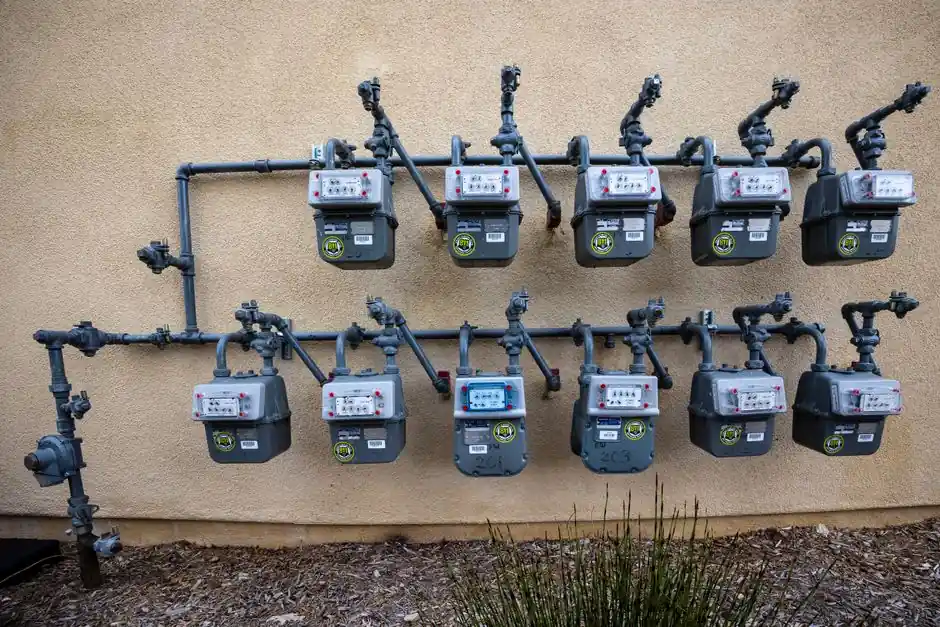
Service overview
New Gas Capacity, Engineered From the Load Up
Every installation begins with the load schedule: every appliance the new line will serve, current and planned, converted to BTU demand — the range, the dryer, the water heater, the future outdoor kitchen sketched on a napkin last summer. That number drives everything downstream — the pipe diameter from code tables, the pressure drop across the longest run, the meter's capacity to feed it, and whether the existing system can absorb the addition or needs upsizing at the source. Skipping this math is how installations end up starving appliances on the coldest night of the year; doing it carefully is what makes the new line disappear into daily life, working so well you never think about it again. Then comes routing — the physical intelligence of the job. Through the attic or the crawlspace? Along the exterior wall or underground in PE? Around the 1970s addition's slab or beneath the new patio's footprint? Georgetown's houses, from historic-district bungalows to Sun City villas to new builds off the corridors, each present a different routing puzzle. The right answer balances code requirements, protection from damage, accessibility for future service, and minimal disruption to the finished home. Good routing is invisible; bad routing becomes someone else's expensive problem in ten years.
! When a New Line Is the Answer
Appliances the old system cannot feed
The existing piping was sized for the house as built — then came the tankless water heater, the double oven, the outdoor kitchen. When the load math shows the old branch cannot support the new demand, a new dedicated line is the clean solution: sized for the appliance, routed directly, leaving the old system untouched and unstressed.
Gas where none has ever been
The patio that wants a grill, the pool equipment pad, the detached workshop, the guest casita — locations the original gas system never reached. New service extensions bring gas to these spots in buried PE or protected exterior runs, each with its own shutoff, each permitted and tested like the main system it extends.
Work that never got permitted
Georgetown's older homes sometimes contain gas work from a casual era — undocumented branches, retired materials, modifications no inspector ever saw. When new work is planned nearby, the honest move is often a new, properly engineered line replacing the questionable one, permitted and documented from day one. The new installation cleans up the past while serving the future.
Scope of work
What Our Installation Service Covers
Our installations cover the complete project: load calculations and system design, routing survey and planning, permitting through the local authority, 811 utility location for underground work, pipe and fitting installation to code, pressure testing with documentation, inspection coordination, appliance connection and commissioning, and restoration of disturbed areas.
-
01
Site assessment
Materials are matched to the application: black steel or CSST for interior distribution, PE for underground service — each joined by its proper method, supported at code intervals, protected where it passes through structure or traffic areas. No material is "better" in the abstract; each is right in its place, and the design puts each in its place.
-
02
Material provision
Underground work gets the full treatment: 811 locates before any digging, proper trench depth and bedding, tracer wire alongside PE, warning tape above, and careful backfill that will not damage the pipe. What goes underground should stay safe underground for decades — the installation details are what make that true.
-
03
Installation work
Every installation ends with proof: a standing pressure test to code, witnessed or documented for the inspector, plus electronic and solution leak checks on every joint. The system does not go live on confidence; it goes live on gauges.
-
04
Final inspection
Why Correct Sizing Pays Every Day
A correctly sized gas line is one of those invisible triumphs: every burner burns blue and steady, the tankless heater delivers its rated flow, the generator starts under full load, and none of it ever becomes a service call. Undersized piping, by contrast, announces itself constantly — lazy flames, sooting, appliances that underperform on cold nights when everything runs at once. The load calculation at the start is what separates these two futures, and it costs nothing compared to living with the wrong one.
Tools and Methods for Clean Installations
Request a quoteThe Right Tools for Clean, Code-True Work
Pipe wrench
A correctly sized gas line is one of those invisible triumphs: every burner burns blue and steady, the tankless heater delivers its rated flow, the generator starts under full load, and none of it ever becomes a service call. Undersized piping, by contrast, announces itself constantly — lazy flames, sooting, appliances that underperform on cold nights when everything runs at once. The load calculation at the start is what separates these two futures, and it costs nothing compared to living with the wrong one for twenty years. When we size a line, we size it for the house you are building toward, not just the house as it stands today.
Pipe preparation tools
Every joint is swept with a combustible-gas indicator during installation — not just at the end. Checking as we go catches the imperfect joint while it is still accessible, which is the entire philosophy: verify continuously, not hopefully.
Pressure gauge
In-process leak verification
Pipe cutter
Gauges run the standing pressure test that proves the new system tight — the code-required hold, monitored honestly, documented for the inspector. The test is the installation's final exam, and we do not grade on a curve.
Local execution
Installation in Georgetown works with local realities: Blackland clay that shifts buried pipe, limestone shelves that reroute trenches, historic-district homes where the routing must respect original structure, and a permit desk that expects the work done right. We have run gas lines through all of it — attics in August, crawlspaces in January, trenches through caliche — and the installations hold because the fundamentals were honored.
Gas line installation in Georgetown: Local considerations
- • Meyer Ranch
- • Georgetown Village
- • Copper Ridge
- • Westmeyer
Before & after
Installations, Around the Clock
When your project needs gas, we answer
New construction, remodels, and outdoor projects run on schedules — and gas work that stalls the schedule costs more than the gas work itself. We coordinate installation timing with your builder, remodeler, or project plan, and we answer when the timeline compresses. The gas line should never be the reason the project waits.
Our Installation Process
Initial consultation
Load inventory comes first: every appliance the new line will serve, now and planned, with BTU ratings from the nameplates. The existing system's capacity is checked in parallel — meter, service line, and branch loads — so the design knows exactly what it is adding to.
Site preparation
The route is walked, marked, and verified: interior paths checked for structure and access, underground routes cleared through Texas 811 locates, obstacles noted and planned around. Surprises during installation are failures of this step; we do not fail it.
Material selection
Installation follows the approved design: materials matched to each section's application, joints made to specification, supports and protection installed as the pipe goes in — not as an afterthought. The work is inspected as it progresses, because corrections are cheapest before concealment.
What Installation Costs Follow
Installation scope — and therefore cost — follows the work's physical reality: how far the gas must travel, what it must pass through, and what it must feed. Longer runs through finished spaces cost more than short runs through open crawlspaces; underground sections add trenching through Georgetown's soils; high-demand appliances drive larger diameters. We quote from the survey, not from a price list, because every house routes differently.
Distance and difficulty of routing
Every foot of pipe is material plus labor, and difficult feet — through finished walls, across attics, under concrete — cost more than easy ones. The routing survey is where this gets quantified honestly, before work begins.
Materials matched to the job
Steel, CSST, and PE each carry different material and labor profiles, and the design chooses among them by application. The estimate reflects those choices explicitly — no lump-sum mystery, just the specified materials at their real costs.
Permit requirements
Permits, testing, and inspection are part of every installation we perform: the permit fee, the pressure test with documentation, and the coordination that gets the inspector's sign-off. This is not overhead; it is the verification that makes the installation trustworthy and the paperwork that protects your resale.
Before You Plan
Frequently asked questions
How do I choose a gas line installation service in Georgetown?
Look for load-calculation discipline first: any installer who sizes your line without inventorying your appliances' BTU demand is guessing. Then verify licensing, insurance, and familiarity with Georgetown and Williamson County permitting — plus a portfolio of installations like yours, whether that's a historic-district retrofit or a new outdoor kitchen. Finally, demand documentation: a proper installer delivers pressure-test records and inspection sign-offs, not just a working line.
What are the benefits of a professionally installed gas line?
Correct sizing that feeds every appliance at full demand, routing that protects the pipe and respects your home, code compliance that passes inspection, pressure testing that proves the work, and documentation that protects your insurance and resale. Against that: the DIY or casual alternative risks undersized piping, unpermitted work, untested joints, and the special hazard of gas mistakes — which don't announce themselves politely.
How long does gas line installation take in Georgetown?
A straightforward branch line or appliance run is typically a day or two of on-site work plus permitting and inspection scheduling. Larger projects — long underground runs, whole-house distribution, work phased around a remodel — take longer, and we'll give you an honest timeline from the design stage. The variable isn't usually the pipe; it's the routing obstacles, the inspection calendar, and the restoration.
What materials are used for gas line installation?
Black steel for most interior distribution — threaded and assembled joint by joint; CSST where flexible routing through finished spaces saves demolition; and polyethylene (PE) for underground service lines, fusion-joined with tracer wire. Each has its code-prescribed applications, and the design matches material to location: the right pipe in the right place, joined by the right method, supported and protected to code.
Related services
Ready to Add Gas Capacity?
Planning the appliance, the addition, or the outdoor project that needs gas? Call us — we'll engineer the line it deserves, permitted, tested, and built to disappear into your daily life.