Gas Line Repair Georgetown TX
Downtown Georgetown gas line repair

Gas Line Repair in Downtown Georgetown, Georgetown, TX

Downtown Georgetown is the historic commercial heart of Williamson County — the beautiful downtown square, the limestone courthouse, and the blocks of 1800s storefronts that have served this town for over a century. Behind the restored facades and busy restaurants runs some of the oldest gas infrastructure in Georgetown: original iron and steel in 1800s buildings, commercial kitchens running hard, and vacation rentals in historic cottages. Our work downtown is the commercial-historic specialty: keeping the district's businesses running and its buildings safe.

830
Local area code
78626
Service ZIP code
Fall maintenance checks
Current season focus

About This Area

Why Downtown Georgetown Gas Work Is Commercial-Historic

Why we serve here

Downtown Georgetown's building stock is unlike anywhere else in the city. Limestone walls, old timber framing, and commercial spaces that have been adapted and readapted for 150 years — each building a small museum of construction methods, and each one with gas piping to match its eras.

Gas service for a historic Texas district

Many of downtown's structures were built long before modern gas codes existed. The piping went in when it went in — threaded iron, early steel, and generations of modifications as the buildings changed from dry goods to restaurants, from offices to vacation rentals. Working here means respecting the building's age while enforcing modern safety.

Restaurant and retail spaces along the square run commercial cooking equipment under constant load — fryers, ranges, and griddles working lunch and dinner, day after day. That demand on historic infrastructure is the downtown pattern: modern commercial loads on 19th-century bones.

How We Work in Downtown Georgetown

The Commercial-Historic Method

Challenge: Aging pipe inside historic downtown buildings

Original steel and iron piping in 1800s buildings corrodes from the inside out, and decades of commercial use accelerate the wear. The buildings can't be treated like modern construction — every intervention has to account for limestone, old timber, and finished historic interiors.

Solution: We map the existing system first, then replace only what has failed or is unsafe — preserving what's sound, renewing what's done, and documenting the whole. Surgical work for surgical needs.

Challenge: Commercial kitchens under constant load

Downtown Georgetown's restaurants run fryers, ranges, and griddles for long hours, which stresses every connection, regulator, and valve in the gas system. Commercial equipment doesn't get days off, and neither does its gas supply.

Solution: We inspect high-demand connections on a schedule that fits the business, replace worn components before they fail, and verify regulator performance under real load. Preventive care keeps the kitchen cooking and the dining room full.

Where We Work

Historic Downtown Georgetown District Downtown Georgetown Hall area Guadalupe River corridor Sun City Road Common Street Downtown Georgetown vacation rentals

Where We Work

Downtown Georgetown, Georgetown

Latitude: 29.7030

Extract Directions

Case files

Illustrative scenario: 1

Historic Cottage Near the Square

Challenge

An owner preparing a 19th-century cottage for rental guests noticed a faint gas odor near the old heater connection — the kind of thing guests should never encounter.

Execution

We pressure-tested the branch lines, found a corroded fitting at the heater connection, and replaced it along with the aging connector — then verified the whole cottage system.

Impact

The system held pressure on retest, and the cottage was cleared for guest stays with written documentation. Historic charm, modern safety — the vacation rental standard.

Illustrative scenario: 2

Restaurant Kitchen on a Square Side Street

Challenge

Kitchen staff reported burners running unevenly during dinner service, suggesting a supply problem that was costing the restaurant consistency at the worst hour.

Execution

We inspected the appliance connectors, regulator, and supply line sizing, then replaced a failing regulator and an undersized connector run — working between lunch and dinner to avoid disrupting service.

Impact

Burner performance returned to normal, and the kitchen continued service with a maintenance schedule for the high-use connections. Dinner service stopped being a gamble.

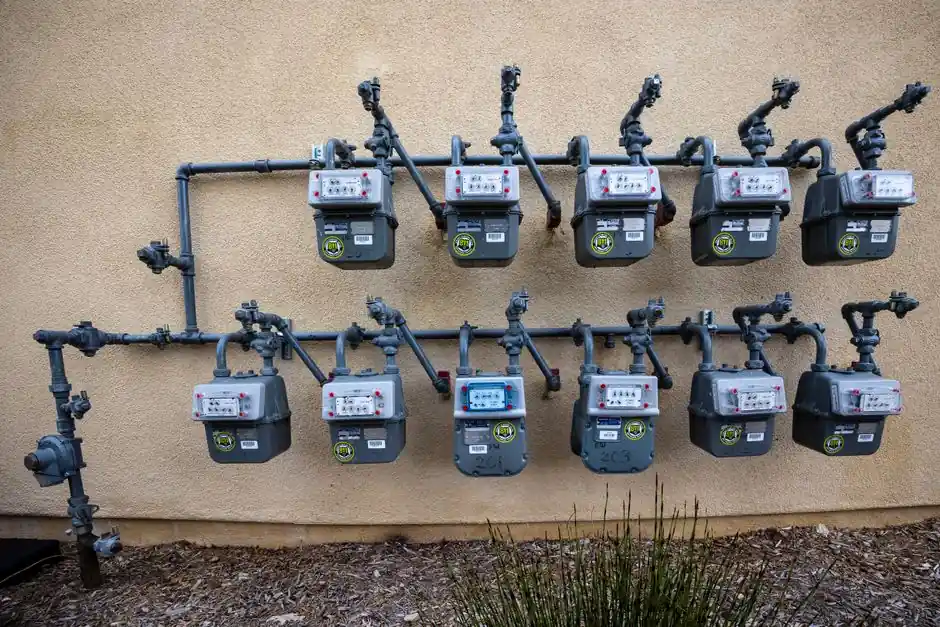
Gas meters mounted on an exterior wall of a property in Downtown Georgetown, Georgetown, TX
Our track record
Our track record

Gas Line Work the Downtown Way

What Careful Gas Work Looks Like in a Historic Commercial District

Working in downtown Georgetown means working around limestone, old timber, and finished interiors — and around businesses that can't afford downtime. The method: diagnose with instruments before opening anything, schedule around the business's hours, protect the historic fabric like it matters (because it does), and document everything for the building's file. Downtown buildings have survived 150 years; our work should help them thrive for 150 more.

Every
visit documented with written findings

Local questions

Do you work on historic homes in downtown Georgetown?

Yes. Much of our work in downtown Georgetown involves 1800s and early-1900s buildings. We specialize in the constraints they impose: limited access, historic finishes worth preserving, piping from retired eras, and the need to bring everything up to modern safety standards without erasing the building's character.

What are common gas line problems in downtown Georgetown's older buildings?

Corroded steel or iron pipe, outdated fittings from past remodels, undersized lines feeding modern commercial equipment, worn appliance connectors in rentals, and regulators past their prime on restaurant equipment. The common thread is age meeting demand — historic infrastructure asked to serve modern loads. Our inspections are designed to find all of it.

Can you service gas lines for downtown Georgetown restaurants?

Yes. We repair and inspect gas piping for commercial kitchens, including supply lines, regulators, and appliance connections sized for the real loads. We understand restaurant reality: the work happens around your hours, the diagnosis has to be fast and accurate, and the documentation needs to satisfy health inspectors as well as gas codes.

I manage a vacation rental in downtown Georgetown. How often should gas lines be checked?

An annual inspection is a sensible baseline for rentals, since guests use appliances heavily and report problems rarely — the system needs someone looking out for it. We check appliance connectors, verify shutoffs work and are accessible, test the system, and document everything. For high-turnover properties, it's cheap insurance and good hospitality.

What should I do if I smell gas in downtown Georgetown?

Leave the building, avoid operating switches or open flames, and call your gas utility's emergency line and 911 from a safe distance. Downtown's density means your neighbors are close — evacuation protects them too. Once responders clear the building, call us for detection and repair. We'll find it, fix it, and document it for your building's records.

How do historic district rules affect gas line work in downtown Georgetown?

Georgetown's historic districts have design standards that cover visible exterior changes. Gas work is mostly invisible — buried lines, interior piping — but meter placement, exterior piping runs, and anything affecting the facade should respect the district's standards. We plan the visible elements accordingly and handle the permitting. The interior work follows the fuel gas code; the exterior respects the history.

My downtown building is from the 1890s. Is the gas piping original?

It might be. Some of downtown Georgetown's oldest commercial buildings still have sections of original iron or steel piping — remarkably durable when protected, but well past the era of its installation standards. More commonly, it's a mix: original runs with generations of modifications. Our assessment identifies what's original, what's been changed, and what each needs. Original doesn't automatically mean dangerous, but it always means worth verifying.

Can you work around my restaurant's hours in downtown Georgetown?

Yes. Restaurant gas work is usually scheduled during closed hours or slow periods so there's no disruption to service. We plan the work in phases when needed — diagnostics during prep, repairs overnight, verification before opening. Your kitchen's schedule drives our schedule, not the other way around.

Professional standards

How We Protect Your Property

Gas work in a historic district carries extra responsibility. We follow current fuel gas codes, protect original finishes and historic fabric, control dust and debris, and restore what we disturb. The goal is a gas system that meets modern safety standards inside a building that still looks like history — because downtown Georgetown's character is the point.

Code-aware repairs Work aligned with current fuel gas codes
Pressure testing Leak-down test after every repair
Written documentation Findings and photos with every visit
When To Call

Signs You Need Gas Line Repair in Downtown Georgetown

Downtown Georgetown's older buildings don't always show gas problems the way newer homes do. The signs hide behind historic finishes and busy commercial routines. Watch for:

1. Faint gas odor near old appliances

In downtown Georgetown's historic homes, a sulfur or rotten-egg smell near a water heater, range, or fireplace is the clearest warning. Old buildings have many hiding places for leaks — don't try to find it yourself. Leave and call.

2. Appliances that won't stay lit

Pilot lights that keep going out, or burners with weak and uneven flames, can signal low pressure, a failing valve, or supply issues in aging pipe. In a historic building, it's the system worth checking — not just the appliance.

3. Hissing near exposed piping

Many downtown Georgetown buildings have visible gas piping in utility areas or along exterior walls. A hiss at a joint or valve means gas escaping — note the location from a safe distance and call.

4. Rust or flaking on visible pipe

Riverfront humidity speeds up corrosion on steel and iron pipe. Heavy rust, flaking, or pitting on visible piping is the system's age showing — and the inspection reminder. What you see is usually the mild version.

5. Dead or stressed plants along the line route

Underground leaks can starve soil of oxygen, killing grass or shrubs in a line above a buried run. On downtown's small lots, the planting bed is often the first witness. Don't dig; call for detection.

Local Problem Patterns

Common Gas Line Problems in Downtown Georgetown

Downtown Georgetown's combination of 1800s construction, river-area humidity, and busy commercial kitchens produces its own pattern:

Corroded steel pipe in historic walls

Why it happens here

Original iron and steel piping in downtown Georgetown's oldest buildings has had a century or more to corrode — from the inside where moisture collects, and from the outside where humidity reaches it.

Our approach

We locate corrosion with pressure testing and targeted inspection, then replace failed sections with modern materials — preserving what's sound, renewing what's done.

Undersized lines for modern appliances

Why it happens here

A branch line installed for a 1940s stove cannot always feed a modern range, tankless water heater, or commercial cooking line. The building got hungrier; the pipe didn't grow.

Our approach

We calculate the connected load and upsize the run as needed, verifying pressure at each appliance. Modern demand gets modern infrastructure.

Worn appliance connectors in rentals

Why it happens here

Vacation rentals see constant guest turnover, and flexible appliance connectors loosen or wear faster under heavy use. They're also the most handled — and most vulnerable — part of the system.

Our approach

We replace aging connectors, secure appliances properly, and add accessible shutoff valves where they're missing. The rental gets the safety its guests assume it has.

Failing regulators on commercial equipment

Why it happens here

Restaurant equipment runs long hours, and regulators and high-use shutoff valves wear faster than residential ones. A drifting regulator starves burners unevenly — the inconsistency chefs notice first.

Our approach

We test regulator output under load, replace units that drift out of range, and confirm the whole commercial gas train. Consistent gas makes consistent food.

What to Expect

What to Expect When You Call in Downtown Georgetown

Serving Downtown Georgetown and nearby Georgetown neighborhoods

Call (512) 778-8549 to schedule a visit

1

A straightforward phone call

When you call, we ask where the property is, what you are noticing — an odor, appliance trouble, a planned project — and whether it's residential, commercial, or a rental. The answers aim the visit, and for restaurants, we ask about your hours immediately.

2

A diagnostic-first visit

We start with leak detection and pressure testing to find the actual failure before opening anything. In a historic building, this discipline saves plaster, time, and money — the map comes before the work.

3

Clear findings in writing

After the repair we retest the system, walk you through what was wrong and what was fixed, and document everything — findings, scope, test results, and photos. For rentals and commercial properties, that file is part of your compliance and your protection.

Cost Factors

What Affects Gas Line Repair Cost in Downtown Georgetown

Every gas job in downtown Georgetown is priced on its own conditions. The building's age, the failure's location, commercial versus residential requirements, and the care that historic fabric demands — all of it shapes the honest number. What we can tell you upfront:

Scheduling in Downtown Georgetown: We schedule service visits across the downtown Georgetown district and surrounding neighborhoods, timing commercial work around business hours and residential work around yours.

1

Extent of damage

A single failed fitting is a smaller job than a corroded run spanning a crawl space. In downtown's old buildings, the investigation itself is real work — mapping what's in the walls before repairing it. Honest quotes include the diagnosis.

2

Materials used

Materials and commercial requirements

3

Labor costs

Approved piping, valves, and connectors vary in cost, and historic buildings sometimes need specialized approaches. Commercial kitchens add heavier-duty components and stricter requirements. We specify what's right for the building's use. Care around historic fabric and businesses Tight crawl spaces, plaster walls, and limited access in 1800s buildings take more careful labor — and working around open businesses adds scheduling complexity. It's slower than new construction, and the buildings are worth it.

Year-Round Coverage

How Seasons Affect Gas Lines in Downtown Georgetown

Central Texas weather swings, from humid summers to storm seasons to the occasional hard freeze, and downtown's old buildings feel each one:

Spring

Spring: rain and shifting soil Spring rains can shift soil around buried lines and flood low crawl spaces, stressing joints in old buildings. After major storms, walk the property and note any new gas odors or exposed piping, then schedule a check if anything changed.

Tip

After major storms, walk the property and note any new gas odors, exposed piping, or shifted soil around buried lines. In a historic district, storm damage to old buildings can disturb gas piping in ways that aren't immediately visible.

Summer

Summer: heat and kitchen load Sustained heat expands metal piping and puts downtown Georgetown's restaurant kitchens under maximum load — tourist season, patio dining, and long equipment hours. Peak season is the worst time for a kitchen outage, so have commercial gas lines inspected in spring.

Tip

Peak tourist season is the worst time for a kitchen outage, so have commercial gas lines inspected in spring — before the summer rush makes every burner critical and every repair urgent.

Fall

Fall: heating systems wake up Cooling temperatures bring heaters and fireplaces back into use after months idle, and downtown's older heating equipment shows its age at startup. Test-fire heaters and fireplaces early in the fall and watch for odors or ignition trouble — then call before the cold arrives.

Tip

Test-fire heaters and fireplaces early in the fall and watch for odors or ignition trouble. Downtown's older heating equipment often needs attention after months idle, and fall is the time to give it.

Winter

Winter: brief but real freezes Hard freezes, though brief, can affect exposed piping and cause condensation issues in unconditioned areas of old buildings. Know where your gas shutoff valves are before winter, and keep exterior piping clear of debris. The 2021 freeze is still the reference point.

Tip

Know where your gas shutoff valves are before winter, and keep exterior piping clear of debris. In a historic building, the shutoff location isn't always obvious — find it in daylight, not during the freeze.

Hiring Smart

Questions to Ask Before Hiring Gas Line Repair in Downtown Georgetown

Hiring gas work in a historic district takes a few extra questions. Here's what to ask any contractor:

  1. 1

    "Have you worked on historic buildings before?"

    Why it matters

    "How do you handle 1800s construction differently?" Downtown Georgetown's 1800s structures need different handling than new construction. A contractor who talks about mapping before cutting, protecting historic finishes, and working with — not against — the building's age is the one who won't turn your plaster into a construction zone.

  2. 2

    "How will you find the leak before opening walls?"

    Why it matters

    "What diagnostic testing comes before the repair?" Diagnostic testing, with electronic detection and pressure tests, should come first. That discipline is what separates a targeted repair from exploratory demolition — and in a historic building, the difference is measured in restoration costs.

  3. 3

    "Will you pressure-test after the repair?"

    Why it matters

    "How do you verify the repair?" A leak-down test after the fix confirms the system holds before gas is restored. It is the proof, not the promise. Ask what testing is included and what documentation you'll receive — the answer should be specific.

  4. 4

    "What will I receive in writing?"

    Why it matters

    "What will I receive in writing?" Written findings, the scope of work, and photos protect both sides, especially for rental properties and commercial spaces. If a contractor won't document, the accountability isn't there. Get the paperwork promise upfront.

  5. 5

    "How do you handle work around my business hours?"

    Why it matters

    "How do you schedule around my business?" For downtown Georgetown restaurants and shops, timing matters. Ask how the contractor schedules commercial work — off-hours, phased shutdowns, minimal disruption — and get the plan before work starts. Your hours should drive the schedule.

Knowing the Area

Landmarks and Points of Interest in Downtown Georgetown

Downtown Georgetown's landmarks shape our service routes. From the square to the river, we navigate the district's streets, parking realities, and building types daily:

Landmarks

  • Downtown Georgetown Hall

    The historic downtown square Georgetown's beautiful courthouse square — the commercial and civic heart, surrounded by the 1800s storefronts whose restaurants and shops keep our commercial crews busy.

  • Guadalupe River

    Williamson County courthouse The landmark limestone courthouse anchoring the square — the district's centerpiece and the reference point for all downtown service routing.

  • Historic 1800s buildings

    Main Street commercial blocks The historic commercial streets around the square, where converted storefronts house restaurants, shops, and offices — many with commercial gas loads on historic infrastructure.

Commercial Districts

  • Downtown Georgetown's restaurant row

    San Gabriel River corridor The river corridor near downtown, where riverfront properties deal with humidity and floodplain considerations that affect buried and exposed gas piping.

  • Antique and tourist shops

    Southwestern University edge The university area bordering downtown shares the district's historic character — older homes and institutional buildings with the same aging-infrastructure patterns we know well.

Transport & Access

  • Sun City Road

    The main routes into downtown Georgetown give us quick access to the district, with service vehicles and equipment planned around narrow streets and limited parking.

  • Common Street

    The heart of the historic district demands local knowledge: one-way streets, alley access, and business-hour constraints. We plan arrival times and staging so the block keeps running while we work.

Service Area

Gas Line Repair Coverage Across Downtown Georgetown & Williamson County

Routine appointments for residents and businesses across Williamson County, centered on the downtown historic district. Emergency calls get priority dispatch around the clock.

78626
!

Reliable Gas Line Repair in Downtown Georgetown

For dependable gas line repair in downtown Georgetown's historic district, call a team that knows 1800s construction, works around your business hours, and proves every repair with testing.

Request service
Call Now: (512) 778-8549